
THE CRISIS OF OUR TIME
THE CRISIS OF OUR TIME
Unlimited political spending.
Made possible by corporate constitutional rights.
The Supreme Court ruled it free speech.
IT IS LEGALIZED BRIBERY.
A system where wealth buys influence
—and the rest of us pay the price.
This is the story of corporate personhood.
IT CORRUPTS MORE THAN OUR ELECTIONS.
It reaches into our laws, our courts and the agencies meant to protect us.
BEHIND EVERY CRISIS, FOLLOW THE POWER.
Who profits from the problem?
Who blocks the solutions?
Who pays the price?
The healthcare crisis. The housing crisis. The climate crisis. Poverty wages. Crushing debt.
Poisoned water. Polluted communities. Endless war.
DIFFERENT CRISES. THE SAME BARRIER: “CORPORATE CONSTITUTIONAL RIGHTS”.
WHATEVER ISSUE BRINGS YOU HERE, CORPORATE POWER STANDS IN THE WAY.
That power did not happen by accident.
IT WAS BUILT—CASE BY CASE.
1868 — A PROMISE OF HUMAN FREEDOM
After the Civil War, the Fourteenth Amendment established citizenship and civil rights protections for formerly enslaved people.
1886 — A RAILROAD CLAIMS CONSTITUTIONAL PROTECTION
In Santa Clara County v. Southern Pacific Railroad, a dispute over railroad taxes became a landmark in the expansion of corporate constitutional rights.
Before arguments began, the Chief Justice announced that the Fourteenth Amendment’s equal protection clause applied to the corporations.
The Court’s written opinion did not decide that constitutional question.
But the announcement appeared in the published case report.
And its headnote declared the corporations to be “persons” entitled to equal protection.
THE IDEA TOOK ROOT.
Later decisions explicitly recognized corporations as constitutional “persons.”
An amendment born from the struggle for human freedom became a shield for corporate power.
1976 — POLITICAL SPENDING GAINS PROTECTION
In Buckley v. Valeo, the Court struck down limits on independent election spending, treating that spending as protected political expression.
1978 — CORPORATE MONEY ENTERS THE BALLOT FIGHT
In First National Bank of Boston v. Bellotti, the Court struck down restrictions on corporate spending to influence ballot measures.
2010 — CITIZENS UNITED
The Court struck down restrictions on independent election spending by corporations and unions.
Corporate treasuries gained greater power to influence who governs us.
THE POWER GREW.
Court decisions gave corporations constitutional protections and placed major barriers in the way of limiting political spending.
That is the legal foundation we have to confront.
OVERTURNING CITIZENS UNITED IS NOT ENOUGH.
Reversing that decision alone would leave earlier rulings protecting corporate constitutional rights and political spending in place.
The roots would remain.
MONEY RULED TO BE 1ST AMENDMENT FREE SPEECH WAS SET ON PRECEDENT
Corporations have used First Amendment speech protections to resist requirements to carry messages they oppose.
Pacific Gas & Electric Co. v. Public Utilities Commission (1986).
Fourth Amendment protections to resist warrantless workplace inspections.
Marshall v. Barlow’s, Inc. (1978).
Fifth Amendment takings protections to challenge government restrictions on the use of their property.
Pennsylvania Coal Co. v. Mahon (1922).
Fourteenth Amendment equal protection guarantees to challenge tax laws.
Wheeling Steel Corp. v. Glander (1949).
RIGHTS MEANT TO PROTECT PEOPLE HAVE BECOME TOOLS TO CHALLENGE PUBLIC PROTECTIONS.
WE ARE RUNNING OUT OF TIME. WE HAVE TO CHANGE THE RULES THAT PROTECT CORPORATE POWER.
End corporate constitutional rights.
End the treatment of election spending as protected speech.
Address both. Strike at the root.
THE WE THE PEOPLE AMENDMENT DOES BOTH.
It would establish that constitutional rights belong to human beings only.
Corporations and other artificial entities would have privileges defined by our laws, rather than constitutional rights they can use to challenge them.
MONEY MUST NOT DETERMINE WHO GETS HEARD.
The amendment would require governments to regulate, limit or prohibit election contributions and spending—including spending by wealthy individuals.
It would prohibit courts from treating election spending as First Amendment speech.
WHAT WAS BUILT CAN BE CHANGED.
Building power to amend the constitution will take people organizing in their communities, building support and demanding action.
It will take us.
WE CAN BUILD A DEMOCRACY WHERE PEOPLE GOVERN.
Where protecting our health, our communities and our future carries more weight than protecting corporate profits.
TOGETHER, WE CAN END CORPORATE RULE.
PASS THE WE THE PEOPLE AMENDMENT.
H.J.RES.54
Read transcript
THE CRISIS OF OUR TIME
Unlimited political spending.
Made possible by corporate constitutional rights.
The Supreme Court ruled it free speech.
IT IS LEGALIZED BRIBERY.
A system where wealth buys influence
—and the rest of us pay the price.
This is the story of corporate personhood.
IT CORRUPTS MORE THAN OUR ELECTIONS.
It reaches into our laws, our courts and the agencies meant to protect us.
BEHIND EVERY CRISIS, FOLLOW THE POWER.
Who profits from the problem?
Who blocks the solutions?
Who pays the price?
The healthcare crisis. The housing crisis. The climate crisis. Poverty wages. Crushing debt.
Poisoned water. Polluted communities. Endless war.
DIFFERENT CRISES. THE SAME BARRIER: “CORPORATE CONSTITUTIONAL RIGHTS”.
WHATEVER ISSUE BRINGS YOU HERE, CORPORATE POWER STANDS IN THE WAY.
That power did not happen by accident.
IT WAS BUILT—CASE BY CASE.
1868 — A PROMISE OF HUMAN FREEDOM
After the Civil War, the Fourteenth Amendment established citizenship and civil rights protections for formerly enslaved people.
1886 — A RAILROAD CLAIMS CONSTITUTIONAL PROTECTION
In Santa Clara County v. Southern Pacific Railroad, a dispute over railroad taxes became a landmark in the expansion of corporate constitutional rights.
Before arguments began, the Chief Justice announced that the Fourteenth Amendment’s equal protection clause applied to the corporations.
The Court’s written opinion did not decide that constitutional question.
But the announcement appeared in the published case report.
And its headnote declared the corporations to be “persons” entitled to equal protection.
THE IDEA TOOK ROOT.
Later decisions explicitly recognized corporations as constitutional “persons.”
An amendment born from the struggle for human freedom became a shield for corporate power.
1976 — POLITICAL SPENDING GAINS PROTECTION
In Buckley v. Valeo, the Court struck down limits on independent election spending, treating that spending as protected political expression.
1978 — CORPORATE MONEY ENTERS THE BALLOT FIGHT
In First National Bank of Boston v. Bellotti, the Court struck down restrictions on corporate spending to influence ballot measures.
2010 — CITIZENS UNITED
The Court struck down restrictions on independent election spending by corporations and unions.
Corporate treasuries gained greater power to influence who governs us.
THE POWER GREW.
Court decisions gave corporations constitutional protections and placed major barriers in the way of limiting political spending.
That is the legal foundation we have to confront.
OVERTURNING CITIZENS UNITED IS NOT ENOUGH.
Reversing that decision alone would leave earlier rulings protecting corporate constitutional rights and political spending in place.
The roots would remain.
MONEY RULED TO BE 1ST AMENDMENT FREE SPEECH WAS SET ON PRECEDENT
Corporations have used First Amendment speech protections to resist requirements to carry messages they oppose.
Pacific Gas & Electric Co. v. Public Utilities Commission (1986).
Fourth Amendment protections to resist warrantless workplace inspections.
Marshall v. Barlow’s, Inc. (1978).
Fifth Amendment takings protections to challenge government restrictions on the use of their property.
Pennsylvania Coal Co. v. Mahon (1922).
Fourteenth Amendment equal protection guarantees to challenge tax laws.
Wheeling Steel Corp. v. Glander (1949).
RIGHTS MEANT TO PROTECT PEOPLE HAVE BECOME TOOLS TO CHALLENGE PUBLIC PROTECTIONS.
WE ARE RUNNING OUT OF TIME. WE HAVE TO CHANGE THE RULES THAT PROTECT CORPORATE POWER.
End corporate constitutional rights.
End the treatment of election spending as protected speech.
Address both. Strike at the root.
THE WE THE PEOPLE AMENDMENT DOES BOTH.
It would establish that constitutional rights belong to human beings only.
Corporations and other artificial entities would have privileges defined by our laws, rather than constitutional rights they can use to challenge them.
MONEY MUST NOT DETERMINE WHO GETS HEARD.
The amendment would require governments to regulate, limit or prohibit election contributions and spending—including spending by wealthy individuals.
It would prohibit courts from treating election spending as First Amendment speech.
WHAT WAS BUILT CAN BE CHANGED.
Building power to amend the constitution will take people organizing in their communities, building support and demanding action.
It will take us.
WE CAN BUILD A DEMOCRACY WHERE PEOPLE GOVERN.
Where protecting our health, our communities and our future carries more weight than protecting corporate profits.
TOGETHER, WE CAN END CORPORATE RULE.
PASS THE WE THE PEOPLE AMENDMENT.
H.J.RES.54
THE CRISIS OF OUR TIME
Unlimited political spending.
Made possible by corporate constitutional rights.
The Supreme Court ruled it free speech.
IT IS LEGALIZED BRIBERY.
A system where wealth buys influence
—and the rest of us pay the price.
IT CORRUPTS MORE THAN OUR ELECTIONS.
It reaches into our laws, our courts and the agencies meant to protect us.
BEHIND EVERY CRISIS, FOLLOW THE POWER.
Who profits from the problem?
Who blocks the solutions?
Who pays the price?
The healthcare crisis. The housing crisis. The climate crisis.
Poverty wages. Poisoned water. Polluted communities. Endless war.
DIFFERENT CRISES. THE SAME BARRIER:
“CORPORATE CONSTITUTIONAL RIGHTS”.
WHATEVER ISSUE BRINGS YOU HERE,
CORPORATE POWER STANDS IN THE WAY.
That power did not happen by accident.
IT WAS BUILT—CASE BY CASE.
1868 — A PROMISE OF HUMAN FREEDOM
After the Civil War, the Fourteenth Amendment established citizenship and civil rights protections for formerly enslaved people.
1886 — A RAILROAD CLAIMS CONSTITUTIONAL PROTECTION
In Santa Clara County v. Southern Pacific Railroad, a dispute over railroad taxes became a landmark in the expansion of corporate constitutional rights.
Before arguments began, the Chief Justice announced that the Fourteenth Amendment’s equal protection clause applied to corporations.
The Court’s written opinion did not decide that constitutional question. But the announcement appeared in the published case report. And its headnote declared the corporations to be “persons” entitled to equal protection.
THE IDEA TOOK ROOT.
Later decisions explicitly recognized corporations as
constitutional “persons.”
An amendment born from the struggle for human freedom became a shield for corporate power.
1976 — POLITICAL SPENDING GAINS PROTECTION
In Buckley v. Valeo, the Court struck down limits on independent election spending, treating that spending as
protected political expression.
1978 — CORPORATE MONEY ENTERS THE BALLOT FIGHT
In First National Bank of Boston v. Bellotti, the Court struck down restrictions on corporate spending to influence ballot measures.
2010 — CITIZENS UNITED
The Court struck down restrictions on independent election spending by corporations and unions.
Corporate treasuries gained greater power to
influence who governs us.
THE POWER GREW.
Court decisions gave corporations constitutional protections and placed major barriers in the way of limiting political spending.
That is the legal foundation we have to confront.
OVERTURNING CITIZENS UNITED IS NOT ENOUGH.
Reversing that decision alone would leave earlier rulings protecting corporate constitutional rights and political spending in place.
The roots would remain.
MONEY RULED TO BE 1ST AMENDMENT FREE SPEECH WAS SET ON PRECEDENT
Corporations have used First Amendment speech protections to resist requirements to carry messages they oppose.
Pacific Gas & Electric Co. v. Public Utilities Commission (1986).
Fourth Amendment protections to resist
warrantless workplace inspections.
Marshall v. Barlow’s, Inc. (1978).
Fifth Amendment takings protections to challenge government restrictions on the use of their property.
Pennsylvania Coal Co. v. Mahon (1922).
Fourteenth Amendment equal protection guarantees to
challenge tax laws.
Wheeling Steel Corp. v. Glander (1949).
RIGHTS MEANT TO PROTECT PEOPLE HAVE BECOME TOOLS TO CHALLENGE PUBLIC PROTECTIONS.
WE ARE RUNNING OUT OF TIME. WE HAVE TO CHANGE THE RULES THAT PROTECT CORPORATE POWER.
End corporate constitutional rights.
End the treatment of election spending as protected speech.
Address both. Strike at the root.
THE WE THE PEOPLE AMENDMENT DOES BOTH.
It would establish that constitutional rights
belong to human beings only.
Corporations and other artificial entities would have privileges defined by our laws, rather than constitutional rights they can use to challenge them.
MONEY MUST NOT DETERMINE WHO GETS HEARD.
The amendment would require governments to regulate, limit or prohibit election contributions and spending
—including spending by wealthy individuals.
It would prohibit courts from treating election spending as First Amendment speech.
WHAT WAS BUILT CAN BE CHANGED.
Building power to amend the constitution will take people organizing in their communities, building support and demanding action.
It will take us.
WE CAN BUILD A DEMOCRACY WHERE PEOPLE GOVERN.
Where protecting our health, our communities and our future carries more weight than protecting corporate profits.
TOGETHER, WE CAN END CORPORATE RULE.
PASS THE WE THE PEOPLE AMENDMENT.
H.J.RES.54
CORPORATE RULE WON’T END ITSELF.
WE THE PEOPLE HAVE TO END IT.
Real people. Real organizing.
A democracy we build together.
- 531,000+Petition signersAdd your name. Build our power. →
- 820+Endorsing organizationsGet your organization on board. →
- 700+Local resolutionsMove your community to act. →
- 25States taking actionOrganize your state. →
-
View count ↗H.J.R. 54
cosponsorsTell Congress: Support H.J.R. 54. →
Sixteen years of people power
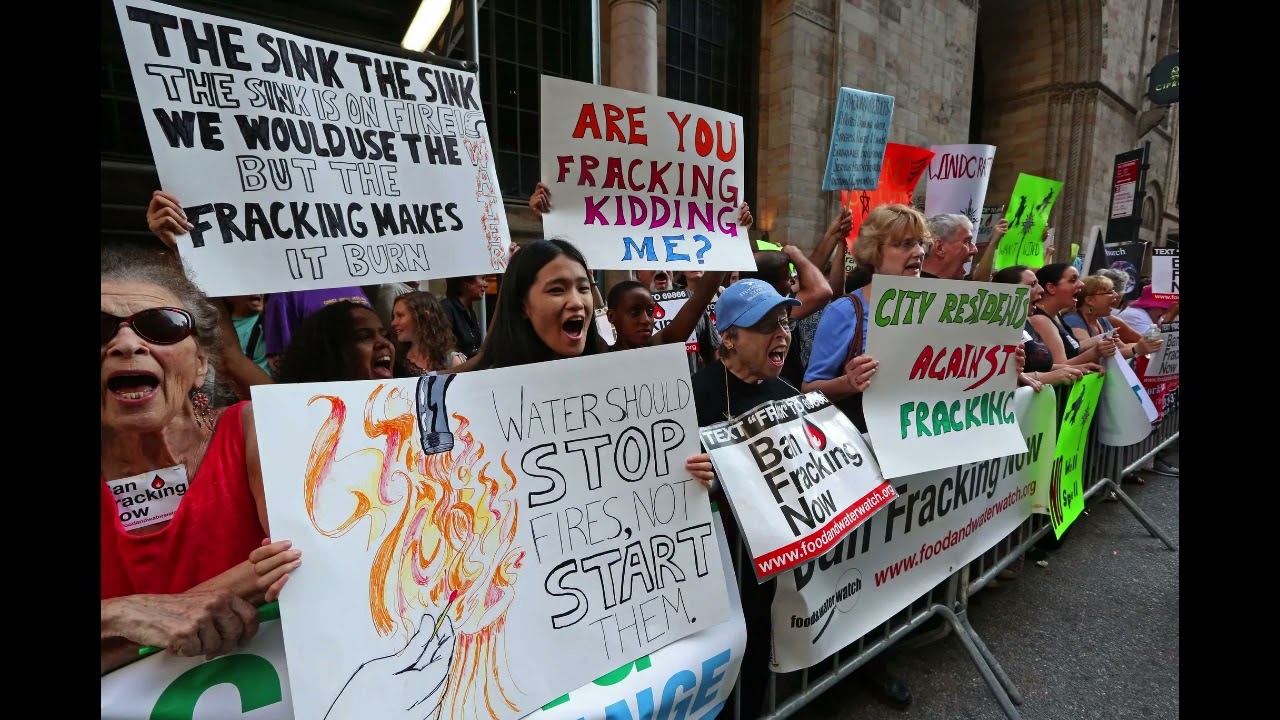


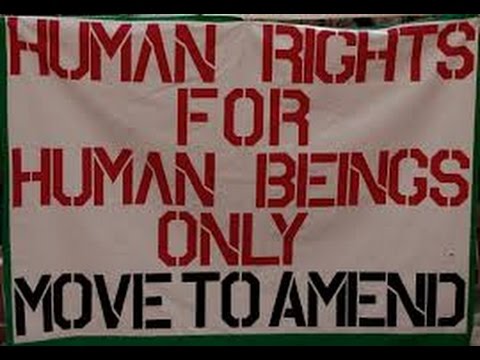
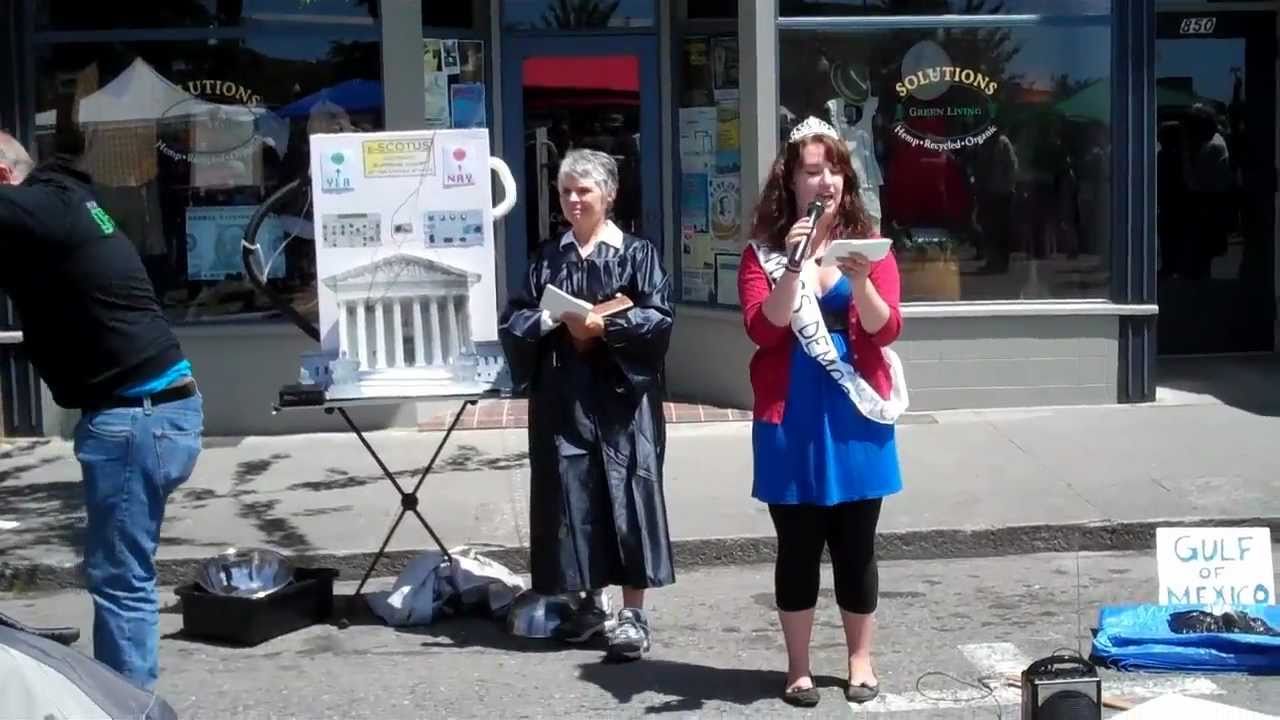
A visual archive of people refusing to accept corporate rule.
Explore the video archive ↗The work continues.
Read. Connect. Make your move.


You belong in this story.